
This Seat Is Mine: How I Stopped Abandoning Myself in Midlife
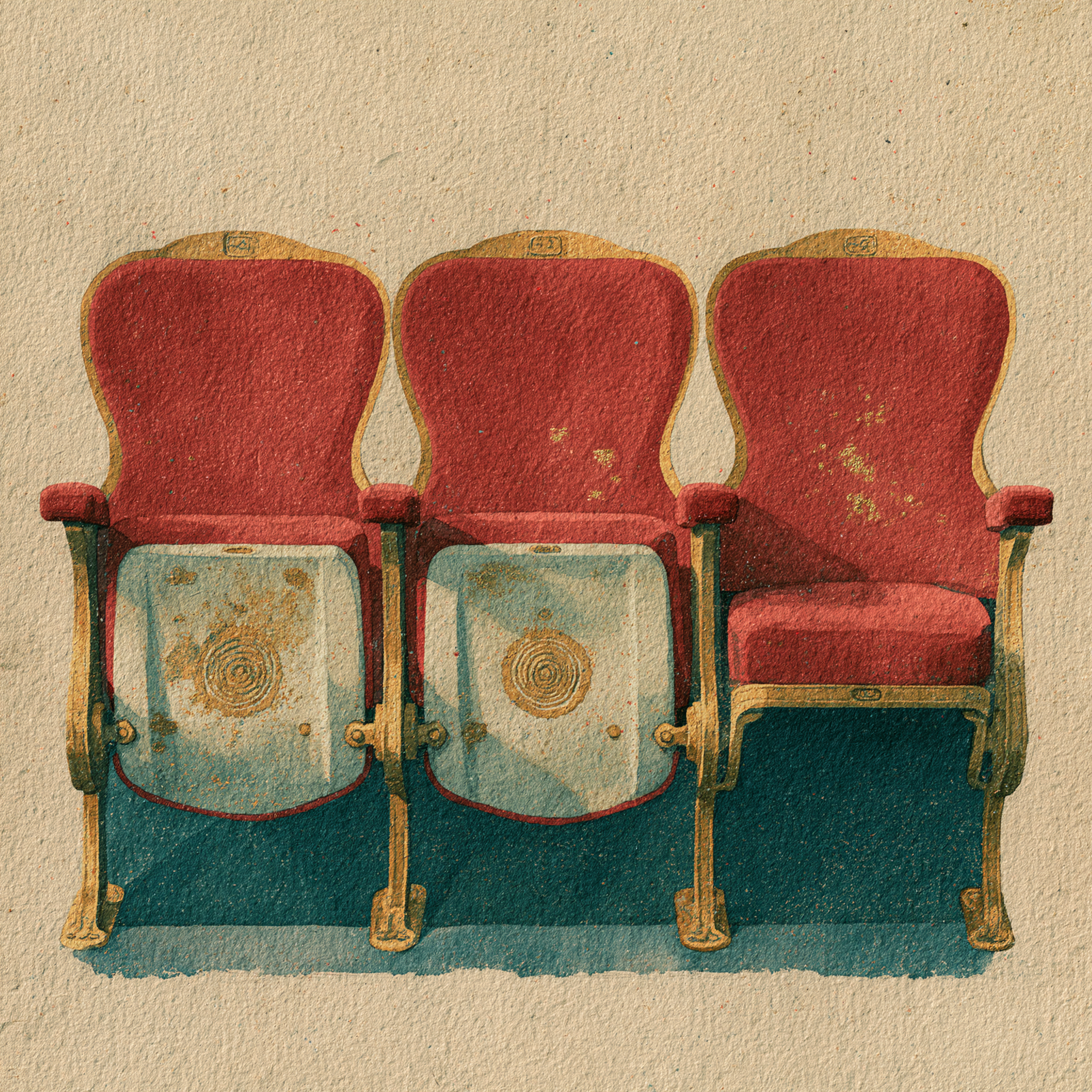
A few weeks ago, a friend invited me to see the Seattle Storm. When we got to our seats, to our surprise, they were filled. The occupants told us that the people next to them sat in their seats, so they scooted down into ours. My friend suggested we sit somewhere else.
Ten minutes later, we had to relocate again, because now we were the squatters. I asked my friend: what if we just told them we wanted our seats back? Then we could relax and watch the game. She said she didn’t want to make everyone move.
Not very long ago, I wouldn’t have even suggested it. But the emerging new me is bolder. She isn’t afraid of doing what’s best for her.
The Rules
It got me thinking about what I used to believe it meant to be a spiritual person. A spiritual person is a giver, not a taker. Someone with a big heart, compassionate, nonjudgmental. They don’t complain. They accept what’s given and are grateful. They see the positive in every situation. They don’t partake in gossip or bitch sessions. They radiate kindness and love.
I remember thinking how I would miss being snarky, talking shit about people who seemed so full of themselves. The kind of people who don’t apologize, the ones who show up like they deserve the best.
I realize now that these people scared me. They took up space. They weren’t worried about what people thought of them. They didn’t need to change who they were or disappear to make room for others.
I remember being like this as a small child. Everything was about me, so I didn’t question my worth. I’m here, so I must count. I deserve to have what I want. Then I learned that this is called selfish. You don’t come first. You are last. To be selfless is virtuous, good, spiritual.
So, as most children do, I adapted to the rules my parents and society deemed appropriate, moral, and just. This adaptation began the gradual disintegration of myself.
As a girl, I learned to be modest, quiet, kind. Don’t be too silly, loud or irreverent. Stand out to be of service, not to be seen.
My borrowed beliefs reorganized more than my mindset and behavior. They forged a new identity. This persona ruled my inner and outer world for 40 years. It didn’t turn me into a wallflower. I had plenty to say about lots of things. But I carefully edited my words before I let them become sound.
Editing Myself Out of My Story
Sally, my manager part, was my editor-in-chief. Nothing passed through my lips that she didn’t review and revise.
She’d say things like, “Why would you say that? Do you want to look like a fool? Don’t ask him for help. He doesn’t care enough about you to take that on.”
Sally was a ruthless and tireless editor, always on watch, waiting in the back office with her red felt-tip pen, ready to strike words that would translate into chaos for my system.
When I had the fortitude to say no on occasion, she insisted on drafting a lengthy apology, carefully explaining why.
“You won’t be invited again if you keep this up. You’re being rude. You’ll pay for this later.”
She didn’t mean any harm. Her stranglehold on my voice kept me from getting hurt, ousted, sidelined. She was quick to remind me what happened in third grade. “We won’t survive that again.”
Maybe she’s right, I thought. Better safe than sorry.
How Protection Became Identity
But is kindness to others more virtuous than kindness to self? What happens to our lives, our bodies, our spirit when we continually ignore our needs in the puritanical pursuit of selflessness?
I didn’t need the reminder, because my body wouldn’t let me forget. I had Spidey senses so sharp that the slightest change of expression on someone’s face signaled the threat response — the 911 call to my nervous system to take action.
Our bodies live in the past, while our brains live in the future, always at odds, like awkward kids at their first school dance. Stepping on toes, miscommunicating, second-guessing the next move.
Adaptation is sneaky. It matures slowly, like a bottle of Bordeaux left undisturbed in a cellar. Year after year, it changes in ways too subtle to notice until one day you uncork it and discover it isn’t what it once was.
Our protective patterns do the same. Left untouched, they quietly reshape the chemistry of our bodies, until vigilance feels like personality and stress feels like home.
When I abandoned myself enough times, my light started to dim. I became disconnected, running on yesterday’s fear, never living in today for myself.
The Return to Balance
Coming back to myself wasn’t dramatic. It happened one uncomfortable decision at a time. One boundary I didn’t let collapse. An honest conversation. A request I almost didn’t make. Every time I chose myself, the frightened girl in third grade loosened her grip just a little.
When I learned to give and receive in equal measure, I came into balance — body, mind, and soul. This felt like home — energy that felt good to linger in, to share with others.
The Danger of a Comfy Chair
There’s safety in sameness. It’s like a comfy, worn, overstuffed chair. You sink into it so deep, it’s a struggle to get out again. But if you stay too long, you disappear. You opt out of the things that get your heart pumping, your eyes bright with anticipation. You watch the world go by, dissolving into the cushions and the safety of a life you are sitting out of.
The cushion on my chair was nothing but a nub. I sat in it that long. My body was organized around safety, hiding my needs because they might inconvenience someone else.
Coming Home to Myself
Funny thing is, the older I get, the more I see the child I abandoned in third grade. She’s been there all along, waiting for me to return. She’s reparenting me now — editing the script, deleting the programming that told me to always serve others first, to give up my seat, to conform.
Next year I turn 60. I’m excited about who I will be tomorrow. And I’m content to be who I am today. This me is more fun, engaged, and curious again.
I’m still nice, but not at my own expense. I still love to serve — that’s what I do for a living. I’m a guide. I help people who lost something get it back. I’m not embarrassed to say I’m good at it, because I’ve traveled that road. I’ve lost people, money, jobs, and myself along the way.
I danced through the awkwardness. I let my guard down and surrendered to the weirdness of being me. I made room for this part of me to be seen and heard.
That night at the game, I didn’t get my seat back. My friend didn’t want to make anyone move, and I let it go. But now I know it was mine to ask for.
This seat is mine. Next time, I’ll say so.